STAY INFORMED

Education - no one can ever take this from you
“When you educate one person you change a life; when you educate many, you can change the world.” Shai Reshef, Founder, University of the People.
We provide information based on fact-based news, literature reviews, and refereed scientific journals. We believe that information tells stories about people whose voices are often hidden, highlighting the marginalized and inconvenient truths. Our focus extends to critical issues such as climate change and conflict, presenting information on events from around the globe that are as impactful as those occurring in our own backyards. We address the crisis facing our planet, including the plight of our nonhuman stakeholders and the fragile systems upon which all life depends. Furthermore, we include actions taken to promote global peace initiatives and mitigate the harm caused by a small number of the very wealthy and powerful.
The Global Military

Military Spending vs Everything Else
Military spending drains money from areas which matter to our everyday lives. Vital areas like ending hunger and poverty, education, scientific and medical research, adaptation to climate change, combating disease... A billion dollars spent on the military creates jobs for a few, but the same money invested in education more than doubles the opportunities and builds a future where we all can benefit.

Provocation
A sprawling footprint can be interpreted as offensive, sparking arms races and fueling anti-American sentiment from actors who view the presence as a threat to sovereignty. Historically, this can incentivize terrorism or multi-front coordination among adversaries.
The US Military Complex & the Climate Crisis
The US is the world's largest single consumer of fossil fuels based on procurement records. Procurement records do not account for emissions from detonation of weapons, from environmental destruction...meaning that they only show a snapshot of the overall greenhouse gas emissions fueling our climate crisis.
War and Economic Motives
Roy criticizes modern militarism and economic motives behind conflict. The cycle of war serves profit rather than necessity, exploiting human suffering. Awareness and critique of such systems are essential for justice, ethics, and meaningful social change.
#ArundhatiRoy #WarAndPeace #SocialCritique #Justice #Ethics #LifeWisdom
The US Military Once Cared About Climate Crisis
In the late 1940's, the US military monitored increasing warmer temperatures in the Arctic. Until 2025, the US military considered climate change one of its most important existential threats. During these past few months, based on ideology alone, the term climate change is forbidden to be used in all federal communications and has been deleted from all curriculum at US military colleges and basic training.
Feature Articles
Wars In The World
Conquer Our Enemies By Works of Mercy & Charity
Conquer Our Enemies By Works of Mercy & Charity

As of April 2026, major global conflicts include a severe escalation in the Middle East with U.S.-Israel actions against Iran (Operation Epic Fury), the ongoing Russia-Ukraine war, and fighting in Sudan, Myanmar, and the Sahel. These conflicts are exacerbated by issues such as climate change and conflict, which further destabilize regions like Yemen, Somalia, Haiti, and the Horn of Africa. Efforts toward global peace initiatives and nonviolence education are crucial in addressing these challenges.
Conquer Our Enemies By Works of Mercy & Charity
Conquer Our Enemies By Works of Mercy & Charity
Conquer Our Enemies By Works of Mercy & Charity
Pope Leo XIV (2026) is promoting a global "culture of peace" and "unarmed peace," urging world leaders to choose dialogue over military action and rearmament. Disarmament, not just of weapons but of "hearts of hatred, resentment, and indifference". His words emphasize rejecting the "logic of war," specifically condemning the use of religion to justify conflict. He calls for peace over violence, as US leaders call for him to "stay in his lane" - the Pope's lane advocates for the vulnerable and for peace - the basics of Christianity.
A Reason To Believe
Conquer Our Enemies By Works of Mercy & Charity
A Reason To Believe

In war-torn Iraq, Muslims join together with Christians in celebrating Easter every year, fostering a spirit of solidarity and coexistence amid the challenges posed by climate change and conflict. There are many stories throughout the world where people, estranged by their leaders, come together to celebrate their respect and friendship for each other, contributing to global peace initiatives and emphasizing the importance of nonviolence education.
THIS IS HAPPENING NOW
Defense Budgets Increasing
Increasing the defense budget to $1.5 trillion would raise total defense spending by $5.8 trillion, ultimately diverting funds from critical areas such as education, healthcare, energy independence, and community support.
Palestine
The Independent Commission for Human Rights in Palestine (Special Rapporteur on Torture) to highlight the sexual torture and inhumane treatment in Palestine without accountability.
Slavery Worsening in UK
US US Supreme Court: Guam

Slavery in the UK is at record levels and is expected to worsen over the next decade, the government’s independent anti-slavery commissioner has warned. Numbers have almost doubled in the last five years to 23,411 in 2025, the highest ever number.
US US Supreme Court: Guam
US US Supreme Court: Guam
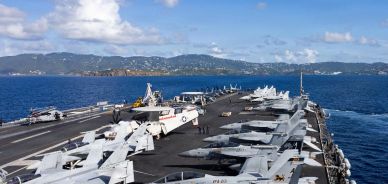
On March 9, 2026, the U.S. Supreme Court granted Trump's request to hear a case regarding the U.S. Air Force’s ongoing practice of open burning and detonation of hazardous bombs in Guam, affecting the Chamorro people.
UN REPORT Pandering to the Ultrarich
The richest 1 percent possess more wealth than the bottom 95 percent of the world's population adversely impacting the rest of us. Politicians must cease prioritizing '"socially and ecologically destructive programs" that caters solely to the world’s wealthiest individuals and corporations.
START Treaty
The New Strategic Arms Reduction Treaty (New START), the last major US-Russia nuclear arms ctreaty, expired on February 5, 2026. This treaty capped nuclear warheads at 1,550 for each side, and its expiration removes binding limits for the first time in over 50 years.
Global Freedom Decline
Global Freedom Decline
Global Freedom Decline
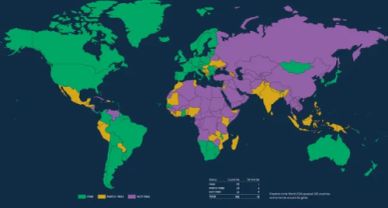
The Freedom in the World report lists numerical ratings for 195 countries and 13 territories, highlighting climate change and conflict. Expansion in fascism and loss of rights in the US continues through the Heritage Foundation Project 2025, Project 2026 & Project Esther.
Palantir "Manifesto" Australia
Global Freedom Decline
Global Freedom Decline
In a Guardian article, Palantir was called out for its published manifesto on X, arguing the benefits of American power and implying some cultures are inferior to others.“Some cultures have produced vital advances; others remain dysfunctional and regressive,” Palantir wrote in the post.
Renewables Power Peace
Global Freedom Decline
Renewables Power Peace
HOPE IS CONTAGIOUS AND SCIENCE HAS A MORAL CHALLENGE TO ADVANCE THE COMMON GOOD - 10 big lessons on ending the fossil fuel era. At world-first Santa Marta climate meeting, delegates say it was ‘euphoric’ to finally be focusing on concrete solutions. Nearly 60 countries gathered to work out how to end the production/use of fossil fuels.
Emerging Threats
Military Threats In Space
Military Threats In Space
Military Threats In Space
There are nearly 13,000 active satellites in Earth's orbit, with commercial entities currently dominating this number. While some military satellites exist, none are reportedly dedicated to space warfare. Nevertheless, discussions around space conflicts have been ongoing within military circles for decades. In the realm of space, conflicts will not be solely determined by the destruction of one asset versus another. Instead, victory could hinge on positioning military assets strategically and cloaking them behind civilian operations, before an adversary has the chance to counter or react. This strategic positioning is increasingly relevant as the intersection of climate change and conflict becomes a pressing issue for global peace initiatives, highlighting the importance of nonviolence education in fostering a collaborative approach to security.
Emerging Threats 2026
Military Threats In Space
Military Threats In Space
ACLED’s Conflict Watchlist highlights 10 countries and regions projected to face armed conflict, political unrest, and humanitarian emergencies in 2026. Each country and regional report assesses the state of conflict, analyzing prospects of conflict escalation and resolution, particularly in the context of climate change and conflict. Other think tanks also analyze geo-politics, such as The Council on Foreign Affairs, which produces Conflicts to Watch in 2026/Preventive Survey Results; The United Nations; The Stockholm International Peace Research Institute; the International Crisis Group; the Conflict and Environment Observatory; and the Lowy Institute, all of which contribute to global peace initiatives and emphasize the importance of nonviolence education.
Ecosystem Collapse
Militarization of the Arctic
Militarization of the Arctic

A national security assessment commissioned by the UK Department of Environment, Food and Rural Affairs, or DEFRA, indicates a high likelihood that "every critical ecosystem is on a pathway to collapse," creating a cascading effect that could significantly threaten the nation’s food security. The Times reported that this assessment omitted some inconvenient truths, including the overwhelming mass migrations driven by climate change and conflict, the rise of increasingly polarized and populist politics, NATO conflicts stemming from collapsing food production in Russia and Ukraine, and escalating tensions between China, India, and Pakistan that could potentially lead to nuclear war. These issues highlight the urgent need for global peace initiatives and emphasize the importance of nonviolence education in addressing such complex challenges.
Militarization of the Arctic
Militarization of the Arctic
Militarization of the Arctic
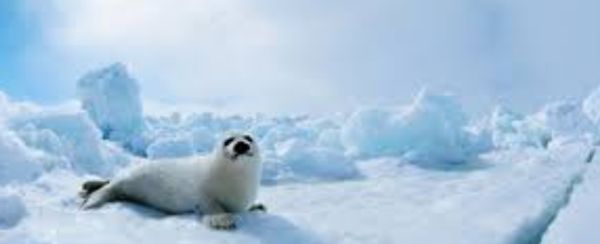
China and Russia are beginning to militarize the Arctic, and US strategy is following suit. As the Arctic transforms into a fully militarized zone, it will likely escalate global tensions over shipping routes and the vast untapped resources, potentially exacerbating climate change and conflict. This shift would accelerate the construction of bases, increase naval patrols, and raise the risk of direct conflict. Meanwhile, global militaries often consider themselves exempt from the environmental damage resulting from their actions, undermining global peace initiatives. If past military practices predict the future, all Arctic life will be in peril; the now pristine waters could become dumping grounds for waste, leading to the destruction of an entire ecosystem. To counter these trends, investing in nonviolence education is crucial for fostering a more peaceful approach to international relations.
Climate Risk & YOU
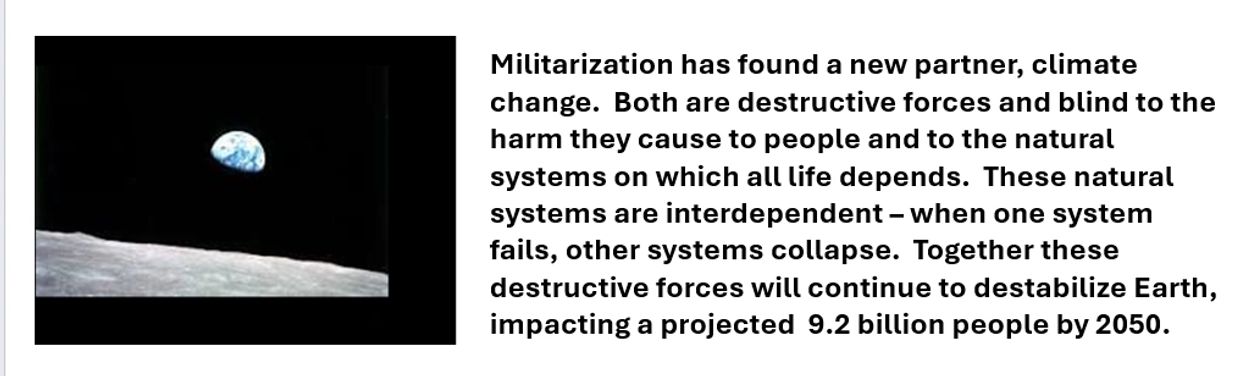
Our Earth Is A Small Fragile Planet
"Our atmosphere is so thin. How easily that whole top layer, where most of life is, could just be wiped away, especially in the context of climate change and conflict. It underscores the urgency for global peace initiatives and the importance of nonviolence education to preserve our fragile environment."
Helen Sharman, the UK's first cosmonaut, 1991

The Nexus
War and climate change are deeply interconnected, as the dual forces of climate change and conflict jointly accelerate global environmental destruction through high greenhouse gas emissions, immense fossil fuel consumption, and toxic pollution. Both phenomena destroy ecosystems and perpetuate a cycle where climate-driven scarcity fuels further conflict. This underscores the importance of global peace initiatives and nonviolence education to address these intertwined issues.

War or Drought?
Conflict and climate disaster are the main drivers of forced displacement. While definitions that distinguish between conflict-induced and disaster-induced displacement can be useful, the lines between them often blur in practice. Factors such as climate change and conflict contribute to this complexity, as it is people, nonhumans, and the destruction of their environments that underlie the abandonment of their homes. Addressing these issues through global peace initiatives and promoting nonviolence education is essential for mitigating future displacements.
How Climate Threats Destabilize
The Threat of Climate Change
The Threat of Climate Change
The Threat of Climate Change
Unpredictable rainfall and extreme weather events can trigger competition for food and water; declining agricultural output can lead to a loss of income for a broad segment of the population. Droughts, floods, storms, and sea-level rise are already causing more than 20 million people to leave their homes and relocate each year. Climate change intensifies resource scarcity and exacerbates existing social, economic, and environmental factors for all populations, particularly in the most vulnerable nations. Countries like Yemen, Mali, Afghanistan, the Democratic Republic of the Congo, and Somalia, which are already grappling with conflict, are also ranked among those most susceptible to the impacts of climate change. Addressing the link between climate change and conflict is essential for global peace initiatives, and promoting nonviolence education can help build resilience in these regions.
Mali
The Threat of Climate Change
The Threat of Climate Change
The connection between climate change and conflict is an undeniable reality. The security-related risks associated with climate change are most pronounced where two critical trends intersect: the severe impacts of climate change combined with weak governance that struggles to manage the escalating tensions these impacts create. Mali has been grappling with a climate crisis for over half a century, facing a future characterized by rising temperatures. The country has endured both droughts and flooding, affecting approximately 400,000 people and resulting in an annual loss of about $9.5 million USD in crop revenues. These extreme climate crises have not only contributed to but also exacerbated Mali’s complex civil war, which began in 2012, by fueling recruitment and generating revenue opportunities for militant groups, including jihadists. To address these pressing issues, global peace initiatives and nonviolence education are essential in mitigating the effects of climate change on conflict.
Yemen
Yemen
Yemen
Yemen is in its twelfth year of civil war, fought between the Yemeni government, Houthi forces, and international proxies. This conflict has led to one of the largest global humanitarian disasters since 1945. Localized conflicts primarily revolve around access to water and land, where the impacts of climate change and conflict are critically reducing the availability of natural resources. This scarcity undermines social cohesion and fuels further conflict. The ongoing environmental and climate crises are perpetuating this turmoil and severely hindering global peace initiatives and long-term peace efforts, highlighting the need for nonviolence education as a vital component in resolving these issues.
Sudan
Yemen
Yemen
The ongoing Sudanese civil war, which erupted in April 2023, is primarily driven by a violent power struggle between the Sudanese Armed Forces (SAF) and the Rapid Support Forces (RSF) paramilitary group. Even before 2023, Sudan was facing a severe humanitarian crisis, leaving 15.8 million people in need of aid. Currently, the situation has worsened, with 33.7 million people—about two-thirds of the population—requiring assistance. Contributing to this turmoil is the impact of climate change and conflict, as approximately 65% of Sudan's land is affected by desertification and climate-driven degradation. Recurring droughts, heatwaves, and flooding are not only creating food shortages but also destroying vital infrastructure. To foster stability, the implementation of global peace initiatives and nonviolence education is crucial in addressing the underlying issues of this crisis.
From One Of Our Visitors
Davos, Switzerland, World Economic Forum
At Davos, a rupture in international law and world politics was unveiled. As major powers "play king of the mountain" and wage peace through fear and oppression, twenty nations, none of them democracies, have joined President Trump's Board of Peace. The cost to join? One billion dollars per member.
Our international peacekeeping organization is the UN, a system rooted in human rights, justice, equality, and demilitarization, which is crucial for addressing issues like climate change and conflict. We need to support global peace initiatives now, particularly those that promote nonviolence education!

Learning Opportunities
Summer 2026 Peace Program

As we face the challenges posed by climate change and conflict, it is essential to explore global peace initiatives that promote stability and cooperation among nations, by addressing the root causes of conflict.
Ending War 101
One effective way to foster a culture of peace is through nonviolence education, which equips individuals with the tools to resolve disputes without resorting to violence.
The Peace Game
The Peace Game is built around 7 actions that empower people to live in harmony with self, each other, and the Earth. Learn more about its creator and the Empowerment Institute.
Peace Education & Action
Peace Education and Action for Impact is a global peacebuilding and leadership program that brings together youth-led, intergenerational, and cross-cultural learning, dialogue, and action to create change at local and global levels.
Climate Change, Peace & Security
The One UN Climate Change Learning Partnership is a joint initiative of more than 30 multilateral organizations helping countries to achieve climate change action both through general climate literacy and applied skills development.
Climate Reality
Climate Reality, recruits, trains, and mobilizes people of all ages and backgrounds to work for just climate solutions through 11 international branches and network of 4.5 million, to speed the global transition from dirty fossil fuels to clean, renewable energy.